
Build practical meal plans with seasonal New Zealand ingredients, clear nutrition notes, and simple steps you can repeat all week.
View Weekly MenuPractical meal planning for busy New Zealand households
Most people do not need complicated rules to eat well. What works is a repeatable structure: vegetables at most meals, a reliable protein source, whole grains or starchy vegetables for energy, and fats from olive oil, nuts, fish, or dairy. Our platform focuses on recipes you can cook on a standard weeknight without specialty equipment.
Public guidance such as the Eating and Activity Guidelines for New Zealand Adults (Ministry of Health) and widely published dietary patterns point to the same practical pattern: variety across food groups, limited ultra-processed snacks, and attention to fibre and hydration. We translate those ideas into shopping lists and portion cues rather than rigid numbers—not personalised prescriptions.
Sources are general government and public-health references. Always follow advice from your registered health professional when it differs from general information online.
Start with three anchor meals you enjoy, then rotate sides and proteins. That reduces decision fatigue and makes grocery trips faster. If you batch-cook grains or roast vegetables on Sunday, weekday assembly often takes under twenty minutes.
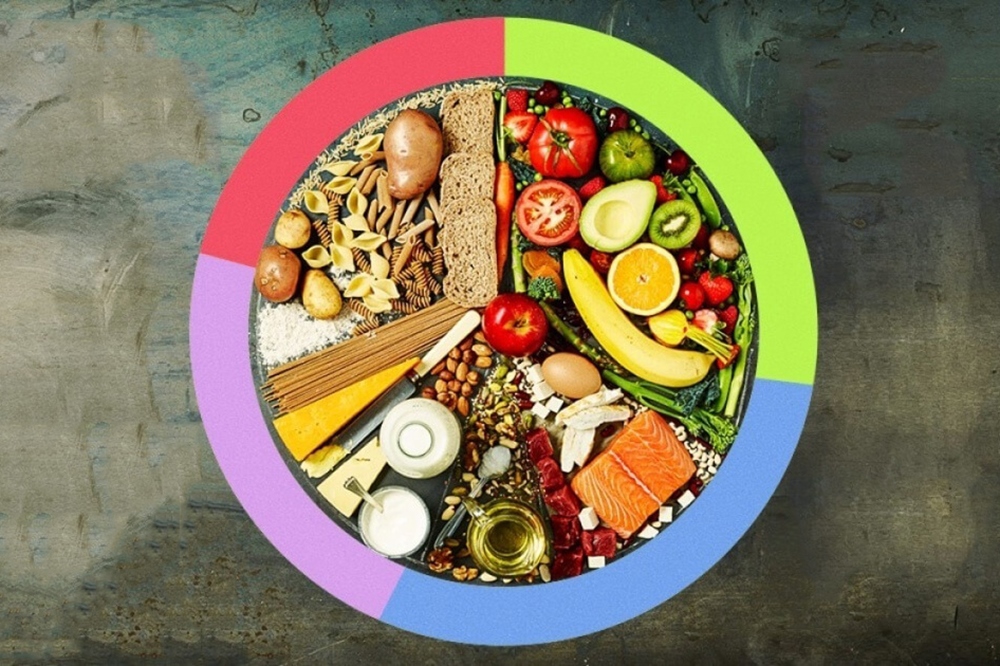
What to put on your plate most days
Half the plate: leafy greens, cruciferous veg, colour variety.
Fish, eggs, legumes, lean meat, tofu, or dairy.
Oats, brown rice, kumara, wholegrain bread.
Olive oil, avocado, water, herbal tea.
A useful daily target for many adults is roughly 2,000 kcal, but needs vary with age, activity, and body size. Rather than chasing a single number, aim for nutrient density: foods that deliver vitamins, minerals, and fibre per bite. Pair iron-rich foods with vitamin C sources (for example, lentils with capsicum) as commonly described in public nutrition guides when paired with vitamin C foods. Include calcium from dairy or fortified alternatives, and iodine from bread or seafood where appropriate for New Zealand diets.
Keep added sugars modest and salt within recommended limits by seasoning with herbs, citrus, and spices. Small, consistent adjustments beat extreme short-term changes.

Buying in season often means better flavour, lower cost, and shorter transport chains. In summer, make the most of berries, stone fruit, tomatoes, and courgettes. Autumn brings apples, pears, pumpkins, and brassicas. Winter suits citrus, root vegetables, and hearty greens like kale. Spring offers asparagus, new potatoes, and fresh herbs.
When planning, check local market calendars and freeze surplus where practical. Frozen peas, corn, and berries retain nutrients well and speed up midweek cooking. Combine fresh and frozen produce so your menu stays flexible without waste.
A quick reference for everyday meals
Supported by safe sun exposure and foods like eggs and fortified milk. Many New Zealanders benefit from awareness of winter sunlight levels.
Found in red meat, poultry, fish, eggs, and plant sources such as spinach and lentils. Pair plant iron with vitamin C-rich produce.
Leafy greens, legumes, nuts, and whole grains contribute to cell function and steady energy across the day.
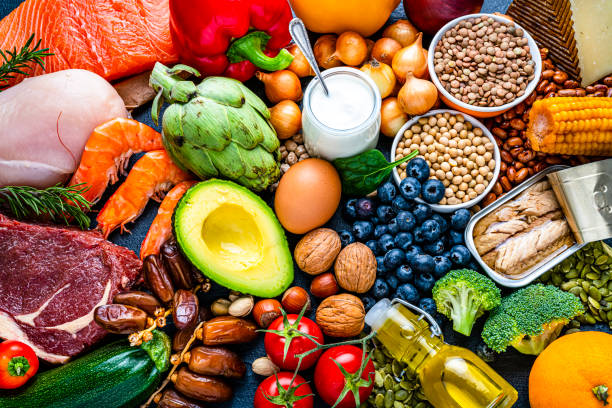
Zinc is a nutrient found in seafood, meat, seeds, and whole grains. Calcium and vitamin K are found in dairy, fortified plant milks, and green vegetables. Potassium is present in bananas, potatoes, and beans. A varied plate may help meet daily nutrient needs for many adults; requirements differ by age, activity, and personal circumstances. Supplements are a matter for qualified professionals—not something we recommend on this site.
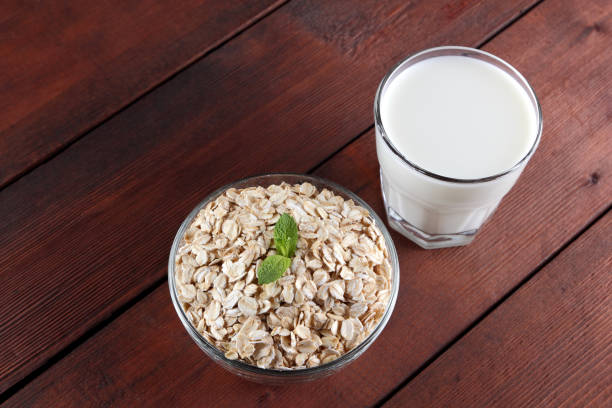
Full Nutrition GuideBreakfast: oats with milk, banana, and a spoon of peanut butter (~420 kcal). Lunch: wholegrain wrap with chicken, salad, and hummus (~480 kcal). Snack: apple and a handful of almonds (~200 kcal). Dinner: baked salmon, roasted kumara, and steamed broccoli (~650 kcal). Evening: herbal tea and optional yoghurt (~150 kcal).
Our full weekly plan spreads similar portions across seven days with calculated totals near 13,800–14,200 kcal for the week, adjustable by portion size. See the detailed table with macros on the weekly menu page.
Practical food-handling habits for home cooks
When grilling or roasting, use a thermometer for poultry and minced meat. Keep hot foods hot and cold foods cold at gatherings. If you have allergies, read labels every time because formulations change. This guidance describes general safe food handling; it does not replace advice from qualified professionals for specific conditions.
Seasonal themes and community food activities
Check Hamilton and regional community boards for updated dates. Events are informational and may vary by venue.
Common questions about everyday meal planning
What to expect from this website
Who we are: A Hamilton-based publisher of free recipe and meal-planning content for New Zealand households.
What we do not do: Sell food, supplements, personalised diet plans, or medical services.
How we earn: The site may show third-party ads (e.g. Google Ads). Editorial pages are not paid product endorsements unless clearly labelled.
Read About UsBrowse our kitchen guide for storage tips, explore the calorie-counted menu, or get in touch with questions about using the platform.
Kitchen Guide Contact Us