
Practical techniques for safer storage, faster weeknight cooking, and less food waste in a home New Zealand kitchen.
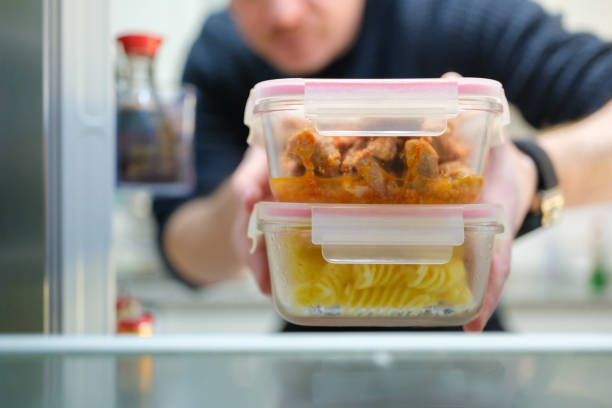
Contact UsStore ready-to-eat foods on upper shelves; raw meat on the lowest tray to prevent drips. Keep eggs in their carton on an interior shelf, not the door.
Fridge temperature near 4 degrees C slows bacterial growth. Use a thermometer occasionally—door items warm fastest.
Pantry dry goods in airtight jars deter insects. Label decanted flour and rice with purchase dates.
Never refreeze thawed raw meat unless cooked first. Cool hot leftovers in shallow containers before refrigerating.
A sharp chef knife is safer than a dull one—hone regularly and learn the claw grip for fingers.
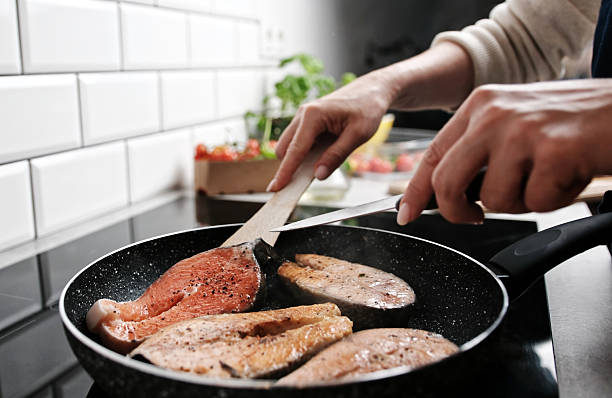
Preheat pans before searing protein; pat food dry for better browning without excess oil.
Simmer soups gently; rolling boils can toughen legumes on the outside before the inside softens.
Rest roasted meat briefly before slicing so juices redistribute.
Read the full recipe once, gather ingredients, then chop—mise en place prevents mid-cook scrambles.
One-pan trays: protein plus chopped veg plus oil, roast at 200 degrees C until cooked through.
Clean as you go: fill a sink with hot soapy water for utensils while the oven works.
Keep a whiteboard list of family favourites to rotate without reinventing menus weekly.
Plan two meals from one roast chicken: dinner plates, then sandwiches or soup.
Vegetable scraps can become stock; freeze bones and ends in a bag until you have enough.
Understand best-before versus use-by—quality may fade after best-before but safety is the use-by date.
Compost where council services exist; otherwise reduce buying volume before chasing storage hacks.
A sturdy baking tray, medium pot, frying pan, and large bowl cover most recipes here.
Slow cookers suit beans and tough cuts; pressure cookers shorten legume cooking when approved models are used per instructions.
Digital scales help learning portions; cups work if you stay consistent with the same tools.
Thermometers for poultry and reheated leftovers add confidence without guesswork.
Practical food-handling habits for home cooks
When grilling or roasting, use a thermometer for poultry and minced meat. Keep hot foods hot and cold foods cold at gatherings. If you have allergies, read labels every time because formulations change. This guidance describes general safe food handling; it does not replace advice from qualified professionals for specific conditions.
Seasonal themes and community food activities
Check Hamilton and regional community boards for updated dates. Events are informational and may vary by venue.
Kitchen guide questions