
Understand what your body uses each day, where to find it in New Zealand foods, and how simple pairings help you get more from every plate.
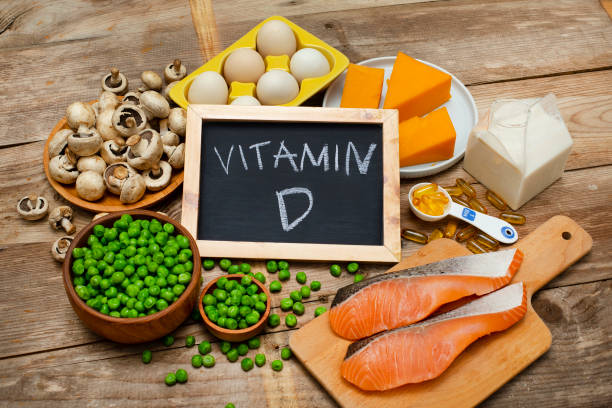
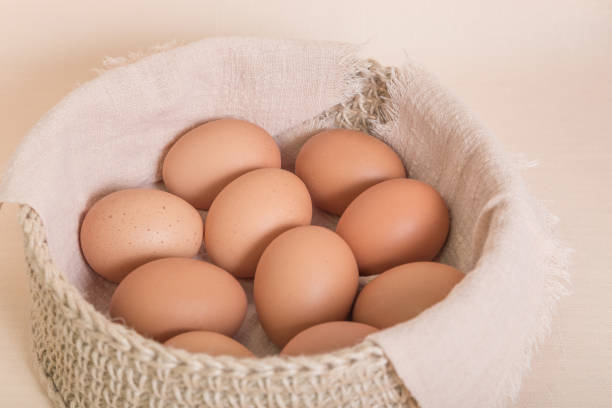
See Weekly MenuVitamin D helps your body use calcium for bone maintenance. In New Zealand, safe sun exposure may be enough for many people in brighter months; eggs, oily fish, and fortified milks are reliable food sources.
Calcium works with vitamin D and vitamin K from leafy greens and dairy or fortified alternatives. Spread intake: oats at breakfast, cheese and spinach at lunch.
Magnesium from nuts, seeds, and whole grains is part of normal energy metabolism. Use a template: green veg at lunch, seeds on yoghurt, whole grains at dinner.
Rotate salmon or tinned fish weekly if indoor hours are high. Food-first habits suit most households without promising individual outcomes.
Iron from meat, poultry, and fish absorbs efficiently; plants like lentils need vitamin C partners such as capsicum or kiwifruit.
B12 sits mainly in animal foods and fortified products—include eggs, dairy, or fortified plant milks on vegetarian days.
B vitamins from whole grains, bananas, and greens support everyday metabolism. A brown-rice stir-fry covers several needs in one pan.
Have tea between meals if plant iron is central to your diet. Seek qualified advice for persistent low energy—not website shortcuts.
Beta-carotene in pumpkin, carrots, and spinach contributes to vitamin A intake from food. Vitamin C from citrus and kiwifruit is commonly paired with plant iron sources in meals.
Vitamin E comes from nuts, seeds, and olive oil—drizzle roasted veg rather than relying on supplements.
Frozen berries and peas keep antioxidant intake steady when stone fruit prices spike.
Herbs and spices add flavour and small protective compounds; use them instead of excess salt.

Trace minerals for a NZ daily plate
Zinc is found in seafood, meat, and pumpkin seeds. Iodine is commonly obtained from iodised salt, bread, fish, and dairy in New Zealand diets.
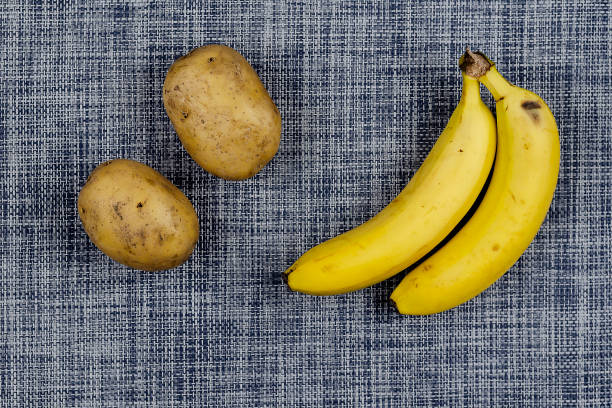
Potassium in potatoes, bananas, and beans balances sodium when you cook at home with herbs and citrus.
Selenium in fish, eggs, and a few Brazil nuts - vary sources to avoid over-reliance on one food.
Rotating proteins and grains usually covers phosphorus and manganese without micromanaging apps.
How timing and fluids support micronutrients
Water is part of healthy digestion of fibre-rich meals; herbal tea and fruit add fluids without sugar spikes.
Target 25–35 g fibre on ~2,000 kcal by increasing legumes and whole grains gradually with extra water.
Eat every three to five hours to avoid oversized dinners that crowd out vegetables.
Fridge checklist: green veg, colourful veg, protein, whole grain, healthy fat each main meal.
Practical food-handling habits for home cooks
When grilling or roasting, use a thermometer for poultry and minced meat. Keep hot foods hot and cold foods cold at gatherings. If you have allergies, read labels every time because formulations change. This guidance describes general safe food handling; it does not replace advice from qualified professionals for specific conditions.
Seasonal themes and community food activities
Check Hamilton and regional community boards for updated dates. Events are informational and may vary by venue.
Daily vitamin questions