
Build shopping lists around seasonal produce, reliable proteins, and grains that keep your week simple and satisfying.
Weekly MenuNew Zealand seasons shape both price and flavour. Summer brings berries, tomatoes, and courgettes; autumn offers pumpkin and brassicas; winter favours citrus and root veg; spring adds asparagus and new potatoes.
Farmers markets in Hamilton and the Waikato often stock local growers—arrive early for greens and herbs. A weekly veg box can anchor meal planning if you enjoy surprise ingredients.
Store leafy greens in sealed containers with a paper towel to extend freshness. Root vegetables last weeks in a cool dark pantry when kept dry.
Freeze surplus corn, peas, and berries at peak ripeness. They cook quickly and reduce waste when schedules get busy.
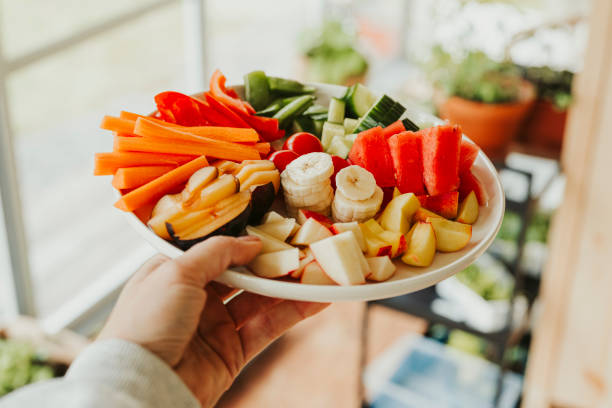
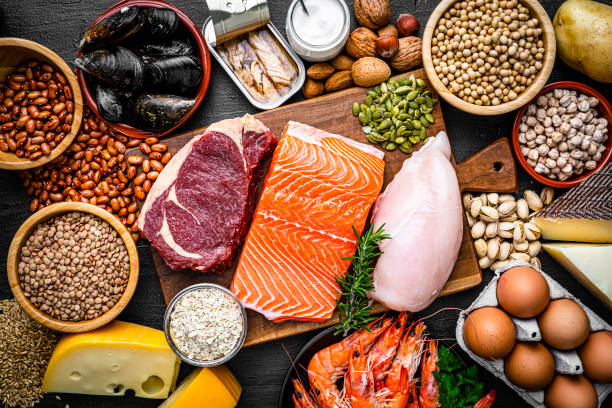
Chicken, fish, eggs, tofu, and legumes each bring different textures and nutrients. Rotating two to three proteins per week prevents menu fatigue.
Oily fish such as salmon or sardines contribute healthy fats alongside protein. Tinned fish suits lunches when time is tight.
Legumes—chickpeas, lentils, black beans—are budget-friendly and fibre-rich. Soak dried beans overnight or keep quality tinned options for 15-minute meals.
Portion protein to palm-size for many adults, adjusting for activity. Combine with half a plate of vegetables for balanced satisfaction.
Brown rice, oats, quinoa, and wholegrain bread provide steady energy and B vitamins. Kumara and potatoes offer potassium and comfort in colder months.
Cook a large batch of grains on Sunday; refrigerate portions for stir-fries and salads. Reheat with a splash of water to restore texture.
Compare labels for fibre per 100 g when choosing bread and crackers. Higher fibre often means slower hunger return between meals.
Pair starches with protein and veg rather than eating plain bowls that spike hunger quickly.
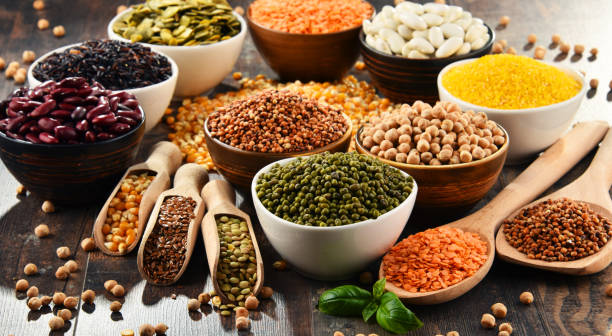
Olive oil, avocado, nuts, and seeds carry fat-soluble vitamins and satiety. Measure oils with a spoon when learning portions.
Dairy and fortified plant milks supply calcium; choose unsweetened options for everyday use. Yoghurt works as breakfast base or sauce thickener.
Cheese adds flavour in small amounts—grate rather than slice to use less while keeping taste.
Balance reduced-fat and full-fat choices based on overall menu richness rather than single-product rules.

Build a reliable NZ pantry
Tinned tomatoes, beans, and tuna form fast dinners. Stock spices, vinegars, and mustard to build sauces without heavy salt.
Swap white rice for brown in slow steps if household preferences differ—mix half and half until accepted.
Keep nuts in the freezer to prevent rancidity in warm kitchens. Label opened packages with dates.
Use the healthy foods list with our weekly menu to shop once and cook twice.
Practical food-handling habits for home cooks
When grilling or roasting, use a thermometer for poultry and minced meat. Keep hot foods hot and cold foods cold at gatherings. If you have allergies, read labels every time because formulations change. This guidance describes general safe food handling; it does not replace advice from qualified professionals for specific conditions.
Seasonal themes and community food activities
Check Hamilton and regional community boards for updated dates. Events are informational and may vary by venue.
Healthy foods questions